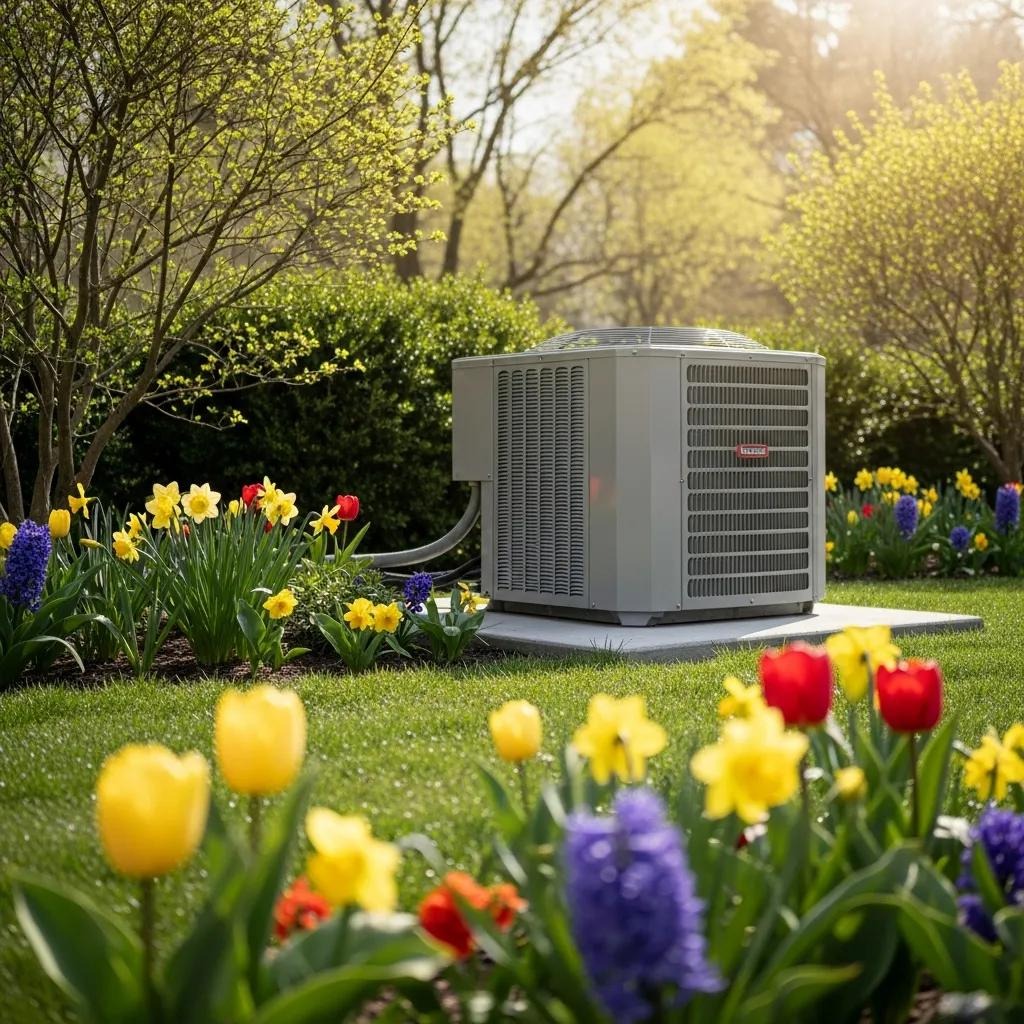
Spring is here! I rely on these professional HVAC tips to enhance system efficiency and ensure a comfortable home. Take action for a smooth season ahead!
Apr 7, 2026
•
5
Spring HVAC Tips for a Smooth Transition: Comprehensive Maintenance and Energy Saving Guide
As the seasons change, we at LakeFront Air Conditioning LLC understand how important it is to prepare your HVAC system for the warmer months to maintain comfort and efficiency in your home. This guide offers essential spring HVAC tips to help you transition smoothly into the warmer weather while optimizing your system's performance. We will share effective maintenance strategies, energy-saving techniques, and best practices for optimizing your HVAC system. Many homeowners face challenges with their heating and cooling systems as temperatures rise, leading to discomfort and increased energy expenses. By following our expert advice, you can prevent issues and ensure your HVAC system operates efficiently throughout the season.
Maintenance Strategies
Proper maintenance of your HVAC system in spring is essential for ensuring its longevity and efficiency. At LakeFront Air Conditioning LLC, we recommend regular maintenance to identify potential issues before they escalate into costly repairs. Here are some effective maintenance strategies to consider:
Schedule Professional Tune-Ups: We advise scheduling regular professional inspections to catch issues early and ensure your system runs efficiently. Our technicians provide thorough tune-ups that help maintain your system’s optimal performance.
Change or Clean Filters Regularly: Dirty filters restrict airflow and reduce efficiency. We recommend replacing or cleaning your filters every month or as needed to keep your system running smoothly and maintain good indoor air quality.
Inspect and Seal Ducts: Leaky ducts can cause significant energy loss. Our team inspects and seals ducts to improve system efficiency and enhance indoor air quality, helping you save on energy costs.
Implementing these strategies will not only enhance your HVAC system's performance but also extend its lifespan. If you need professional assistance, LakeFront Air Conditioning LLC offers comprehensive HVAC services to ensure your system is in top shape for the warmer months.
Energy-Saving Techniques
Adopting energy-saving techniques can significantly reduce your energy expenses while maintaining a comfortable home environment. Here are some effective strategies we recommend:
Use Programmable Thermostats: Programmable thermostats allow you to set specific temperatures for different times of the day, optimizing energy use. We can help you install and program these devices to fit your lifestyle and maximize savings.
Enhance Insulation: Proper insulation in your home prevents heat loss in the winter and keeps cool air inside during the summer. Our team can assess your insulation and suggest improvements to enhance your HVAC system’s efficiency.
Conduct an Energy Audit: An energy audit helps identify areas where your home may be losing energy and suggests improvements. LakeFront Air Conditioning LLC offers professional energy audits to uncover inefficiencies and recommend tailored solutions.
These techniques not only save energy but also contribute to a more sustainable environment. If you want expert guidance on energy efficiency, contact us to schedule a service appointment and explore customized solutions for your home.
Technique
Description
Estimated Savings
Programmable Thermostats
Automatically adjusts temperature settings to match your schedule, reducing unnecessary energy use.
Can reduce energy consumption by up to 10-15%
Enhanced Insulation
Minimizes heat transfer, keeping your home comfortable and reducing HVAC workload.
Potential savings up to 20%
Energy Audit
Identifies areas of energy loss and recommends improvements tailored to your home.
Savings vary depending on home specifics
This table illustrates how implementing these energy-saving techniques can lead to substantial reductions in your energy expenses.
Best Practices for Optimizing HVAC Systems
To ensure your HVAC system operates at peak efficiency, we recommend the following best practices:
Enroll in Regular Maintenance Plans: Our maintenance plans help keep your system in optimal condition and prevent unexpected breakdowns. Regular check-ups allow us to address minor issues before they become major problems.
Monitor System Performance: Stay alert to any unusual noises or changes in efficiency. We encourage you to report any concerns promptly so we can provide timely service and maintain your system’s reliability.
Educate on System Operation: Understanding how your HVAC system works empowers you to make informed decisions about its operation and maintenance. Our team is happy to provide guidance and answer any questions you may have.
By following these best practices, you can enhance the efficiency and reliability of your HVAC system. LakeFront Air Conditioning LLC offers maintenance plans tailored to your specific needs, ensuring your system remains efficient throughout the year.
Why Is Spring HVAC Maintenance Essential for Your Home?
Spring HVAC maintenance is crucial for several reasons. First, it improves your system’s efficiency, which can lead to noticeable savings on your energy expenses. Second, regular maintenance helps prevent issues that could result in costly repairs later. Lastly, a well-maintained HVAC system contributes to better indoor air quality, which is essential for your family’s health and comfort.
How Does Seasonal Climate Affect HVAC Performance?
Seasonal climate changes significantly impact HVAC performance. As temperatures rise, your system must work harder to maintain a comfortable indoor environment. This increased demand can cause wear and tear on components, making regular maintenance even more critical. Additionally, humidity levels affect how efficiently your system operates, so it’s essential to ensure your HVAC system is prepared for the warmer months.
What Are the Benefits of Timely Spring HVAC Tune-Ups?
Timely spring HVAC tune-ups offer several benefits, including:
Improved Energy Efficiency: Regular tune-ups ensure your system operates at peak efficiency, reducing energy consumption and lowering your utility bills. Our technicians perform detailed inspections and adjustments to optimize performance.
Extended Equipment Lifespan: Routine maintenance can prolong the life of your HVAC system, saving you money on premature replacements. We help you protect your investment by keeping your equipment in excellent condition.
Better Indoor Air Quality: A well-maintained system filters out pollutants and allergens more effectively, improving the air quality in your home. We clean and replace components as needed to maintain a healthy environment.
These benefits highlight the importance of scheduling a professional tune-up with LakeFront Air Conditioning LLC to ensure your HVAC system is ready for the summer heat.
What Is the Complete Spring HVAC Maintenance Checklist?
A comprehensive spring HVAC maintenance checklist includes the following tasks:
Inspect and clean the outdoor unit to remove debris and ensure unobstructed airflow. This helps maintain efficient cooling performance during the warmer months.
Check refrigerant levels and recharge if necessary to ensure your system cools effectively. Proper refrigerant levels prevent strain on your equipment and improve energy efficiency.
Clean or replace air filters regularly to maintain good airflow and indoor air quality. This simple step can prevent many common HVAC issues.
Inspect ductwork for leaks and seal any found to prevent energy loss and improve system efficiency. Proper duct sealing also enhances indoor comfort.
Test the thermostat for proper operation to ensure accurate temperature control. We can assist with calibrating or replacing thermostats as needed.
Following this checklist will help ensure your HVAC system is fully prepared for the warmer months ahead.
How to Inspect and Prepare Your Air Conditioner for Summer?
Preparing your air conditioner for summer involves several key steps:
Inspect the Outdoor Unit: Remove debris and ensure the unit is clear of obstructions. This allows for proper airflow and prevents overheating.
Check Refrigerant Levels: Low refrigerant levels can affect cooling efficiency, so ensure they are at the recommended levels. We can perform this check and recharge your system if necessary.
Test the System: Run the air conditioner to ensure it cools effectively and listen for any unusual noises. Early detection of issues helps avoid breakdowns during peak usage.
These steps will help ensure your air conditioner operates efficiently throughout the summer.
When and How Should You Replace Air Filters in Spring?
Replacing air filters is a crucial part of HVAC maintenance. We recommend checking and replacing filters every month, especially during peak usage seasons. To replace the filter:
Turn off the HVAC system to ensure safety during the replacement process.
Locate the filter compartment, which is usually near the air handler or return vent.
Remove the old filter and insert a new one, ensuring it is oriented correctly according to airflow direction.
Regularly replacing air filters helps maintain proper airflow and improves indoor air quality, which benefits your family’s health.
How to Conduct a Spring Heating System Inspection?
Conducting a spring heating system inspection involves checking several key components:
Inspect the Furnace: Look for signs of wear or damage that could affect performance. We perform detailed inspections to identify any issues early.
Check the Blower Motor: Ensure it operates smoothly and efficiently to maintain proper airflow. Our technicians lubricate and service the motor as needed.
Test the Thermostat: Verify that it accurately controls the temperature to ensure comfort and efficiency. We can recalibrate or replace thermostats if necessary.
These inspections help identify potential issues before they become significant problems, keeping your heating system reliable.
What Are Key Heating Components to Check Before Summer?
Before summer, it's essential to check the following heating components:
Furnace Area: Ensure it is clean and free of obstructions to prevent safety hazards and maintain efficiency. We perform thorough cleanings during our service visits.
Blower Motor and Fan: Check for proper operation and lubrication to ensure smooth airflow. Regular maintenance prevents premature wear and costly repairs.
Burners: Inspect for cleanliness and functionality to ensure safe and efficient combustion. We clean and adjust burners as part of our comprehensive service.
Regular checks of these components help ensure your heating system is ready for the transition to summer and beyond.
How Can Professional Inspections Prevent Costly Repairs?
Professional inspections can identify issues early, preventing costly repairs down the line. Our experienced technicians at LakeFront Air Conditioning LLC spot potential problems that may not be visible to homeowners, allowing for timely interventions. This proactive approach saves you money and ensures your HVAC system operates efficiently and reliably.
What Are Effective Energy Saving HVAC Tips for Spring?
To save energy during the spring, consider these tips:
Seal Leaks: Check for and seal any leaks in windows and doors to prevent air loss. This simple step reduces the workload on your HVAC system and lowers energy expenses.
Use Programmable Thermostats: Set your thermostat to adjust temperatures when you're not home. We can help you program your thermostat to maximize energy savings without sacrificing comfort.
Maintain Your System: Regular maintenance ensures your HVAC system runs efficiently. Our maintenance plans include thorough inspections and tune-ups to keep your system in top condition.
Implementing these tips can lead to significant energy savings and a more comfortable home environment.
How to Optimize Thermostat Settings for Seasonal Efficiency?
Optimizing your thermostat settings can enhance energy efficiency. We recommend setting your thermostat to a higher temperature when you're away from home and lowering it when you're present. Utilizing programmable settings helps automate these adjustments, ensuring your system operates efficiently and reduces unnecessary energy use.
What Role Do SEER Ratings Play in Spring HVAC Performance?
SEER (Seasonal Energy Efficiency Ratio) ratings indicate the efficiency of air conditioning systems. Higher SEER ratings mean better energy efficiency, which can lead to lower energy expenses. When selecting a new HVAC system, we advise considering models with higher SEER ratings for optimal performance and long-term savings.
When Should You Schedule Professional HVAC Service in Spring?
Scheduling professional HVAC service in spring is ideal before the peak cooling season begins. Early spring is the best time to ensure your system is ready for the heat. Look for signs that indicate service is needed, such as unusual noises or inconsistent temperatures. Contact LakeFront Air Conditioning LLC to schedule your service and avoid last-minute issues.
What Are Signs Your HVAC System Needs Expert Attention?
Be aware of the following signs that your HVAC system may need expert attention:
Inconsistent Temperatures: Rooms that are too hot or too cold may indicate a problem with your system’s performance. We can diagnose and resolve these issues promptly.
Unusual Noises: Sounds like grinding or squealing can signal mechanical issues that require professional inspection. Ignoring these noises can lead to more serious damage.
Increased Energy Bills: A sudden spike in energy costs may suggest inefficiency or system malfunction. Our team can evaluate your system and recommend solutions to improve efficiency.
If you notice any of these signs, it’s important to contact LakeFront Air Conditioning LLC for expert service.
How Does LakeFront Air Conditioning LLC Ensure Reliable Spring Service?
At LakeFront Air Conditioning LLC, we ensure reliable spring service through comprehensive inspections and routine maintenance. Our experienced technicians are trained to identify and address potential issues, providing peace of mind for homeowners in LakeFront, LA. We prioritize customer satisfaction and strive to deliver high-quality service tailored to your needs.
What Are Common Spring HVAC Problems and How to Solve Them?
Common spring HVAC problems include:
Airflow Issues: Restricted airflow can lead to inefficient cooling. We recommend checking filters and ducts for blockages and cleaning or repairing them as needed to restore proper airflow.
Cooling Problems: If your system isn't cooling effectively, it may be due to low refrigerant levels or a dirty outdoor unit. Our technicians can perform thorough inspections and maintenance to resolve these issues promptly.
Addressing these problems quickly can prevent further complications and ensure your system operates efficiently.
How to Identify and Fix Airflow and Cooling Issues?
To identify airflow and cooling issues, consider the following steps:
Blocked Vents: Ensure vents are open and unobstructed to allow proper air circulation. We can assist with vent cleaning and adjustments.
Dirty Filters: Replace or clean filters regularly to maintain airflow and system efficiency. We offer filter replacement services to keep your system in top shape.
Refrigerant Levels: Low refrigerant can affect cooling efficiency. Our team can check and recharge refrigerant levels to restore optimal performance.
If these steps do not resolve the issue, we recommend contacting LakeFront Air Conditioning LLC for professional assistance.
What Preventive Measures Reduce Spring HVAC Breakdowns?
Preventive measures to reduce HVAC breakdowns include:
Regular Professional Maintenance: Scheduling tune-ups with us helps catch issues early and keeps your system running smoothly. Our maintenance services include comprehensive inspections and adjustments.
Filter Maintenance: Changing filters regularly maintains proper airflow and prevents system strain. We provide filter replacement services to ensure your system stays clean and efficient.
System Monitoring: Keeping an eye on system performance and addressing any irregularities promptly can prevent breakdowns. We encourage you to contact us if you notice any unusual behavior.
Implementing these measures helps ensure your HVAC system operates smoothly throughout the season.
How Can You Prepare Your HVAC System for a Seamless Summer Transition?
Preparing your HVAC system for summer involves several steps:
Change Air Filters: Ensure filters are clean for optimal airflow and system efficiency. We can provide and install high-quality filters suited to your system.
Schedule Professional Tune-Ups: A thorough inspection by our technicians can identify potential issues before the summer heat arrives. Regular tune-ups help maintain peak performance.
Test the System: Running your air conditioner before summer ensures it cools effectively and helps detect any problems early. We offer system testing as part of our maintenance services.
These preparations will help ensure a seamless transition into the summer months.
What Steps Ensure Optimal AC Performance During Hot Months?
To ensure optimal AC performance during hot months, consider these steps:
Regular Maintenance: Schedule routine inspections with LakeFront Air Conditioning LLC to keep your system running efficiently. Our maintenance services include cleaning, adjustments, and performance checks.
Monitor Thermostat Settings: Adjust settings based on occupancy to save energy without sacrificing comfort. We can help you program your thermostat for maximum efficiency.
Keep Outdoor Units Clear: Ensure the area around your outdoor unit is free of debris to maintain proper airflow and prevent overheating. Our technicians can clean and service your outdoor unit as needed.
By following these steps, you can maintain a comfortable indoor environment even during the hottest days.
How Does Regular Maintenance Extend HVAC System Lifespan?
Regular maintenance extends the lifespan of your HVAC system by ensuring all components function correctly. Routine inspections catch minor issues before they escalate, reducing wear and tear on the system. This proactive approach not only saves money on repairs but also enhances overall efficiency. At LakeFront Air Conditioning LLC, we are committed to helping you protect your investment through comprehensive maintenance services.
Frequently Asked Questions About Spring HVAC Care
Homeowners often have questions about spring HVAC care, including:
How often should I schedule maintenance? We recommend having your system serviced at least once a year to maintain optimal performance and prevent unexpected breakdowns.
What are the signs of a failing HVAC system? Look for inconsistent temperatures, unusual noises, and increased energy expenses. If you notice any of these signs, contact us promptly for an evaluation.
Can I perform maintenance myself? While some basic tasks can be done by homeowners, professional inspections are essential for comprehensive care. Our technicians have the expertise and tools to thoroughly service your system.
These FAQs highlight common concerns and emphasize the importance of regular maintenance with LakeFront Air Conditioning LLC.
How Often Should Spring HVAC Maintenance Be Performed?
Spring HVAC maintenance should ideally be performed annually, before the cooling season begins. This timing ensures your system is ready to handle the increased demand during the warmer months. Regular maintenance helps identify potential issues early, preventing costly repairs and ensuring optimal performance. Contact LakeFront Air Conditioning LLC to schedule your spring maintenance service.
Can DIY Spring HVAC Tips Replace Professional Services?
While DIY tips can help with basic maintenance, they cannot fully replace professional services. Our team at LakeFront Air Conditioning LLC has the expertise and specialized tools to identify and address complex issues that homeowners may overlook. For comprehensive care, it’s essential to schedule regular professional inspections alongside your own maintenance efforts.
Get Ready for Spring with LakeFront Air Conditioning LLC
Ensure your HVAC system is prepared for the warmer months with expert maintenance and energy-saving solutions from LakeFront Air Conditioning LLC. Our experienced technicians are here to help you maintain comfort, improve efficiency, and reduce energy expenses. Don’t wait until the heat arrives—schedule your spring HVAC service with us today and experience peace of mind all season long. Schedule Your Service.
No items found.
Thank you! Your submission has been received!
Oops! Something went wrong while submitting the form.